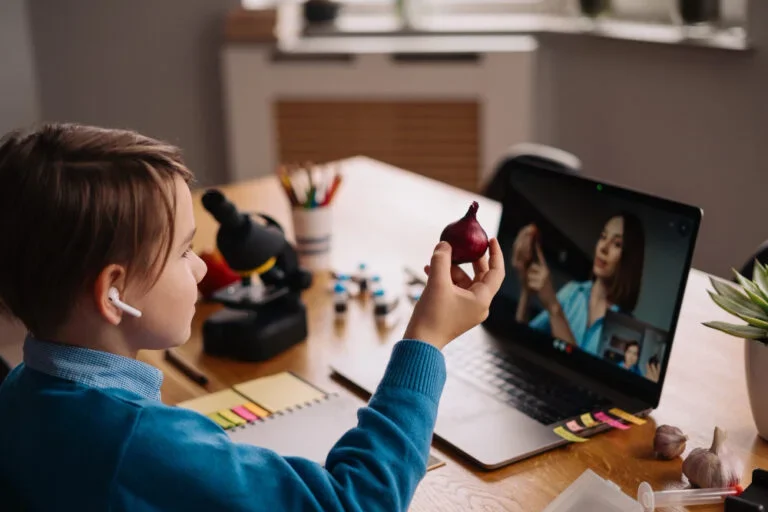
Motivating Children in an Online Learning Environment
11 June 2024
The shift to online learning has transformed the educational landscape, presenting both challenges and opportunities, particularly in motivating children to engage actively in virtual classrooms. Effectively motivating children in an online learning environment requires a thoughtful approach that considers their developmental needs, attention spans, and engagement preferences. This essay explores various strategies and techniques to inspire and motivate children in an online class setting.
Creating a Positive and Welcoming Atmosphere
The foundation of motivating children in an online learning environment lies in creating a positive and welcoming atmosphere. Starting each class with a warm greeting and a smile sets a positive tone for the session. Additionally, establishing a visually appealing virtual classroom space with colorful visuals and engaging backgrounds can capture children’s attention and make learning more inviting.
Using Interactive and Engaging Content
Interactive and engaging content is key to capturing children’s interest and keeping them motivated during online classes. Incorporating multimedia elements such as videos, animations, and interactive games adds excitement and dynamism to lessons. These interactive elements not only enhance children’s engagement but also facilitate better comprehension and retention of material.
Breaking Lessons into Bite-Sized Chunks
Children have shorter attention spans, so breaking lessons into bite-sized chunks is essential for maintaining their focus and attention. Incorporating frequent breaks and transitions between activities helps prevent boredom and fatigue. Using timers or visual cues to indicate when it’s time for a break can help children stay organized and engaged throughout the class.
Incorporating Movement and Hands-On Activities
Integrating movement and hands-on activities into online classes is vital for keeping children active and engaged. Movement breaks, physical activities, and interactive experiments provide opportunities for children to learn through tactile experiences and kinesthetic learning. These activities not only promote physical health but also enhance cognitive function and overall engagement.
Fostering Collaboration and Interaction
Encouraging peer-to-peer interaction and collaboration is essential for fostering a sense of community and engagement in online classes. Group activities, discussions, and virtual breakout rooms provide opportunities for children to interact with their peers, share ideas, and learn from one another. Collaboration not only enhances learning but also promotes social skills and teamwork.
Using Positive Reinforcement
Positive reinforcement plays a crucial role in motivating children to participate actively in online classes. Offering praise and encouragement for children’s efforts and achievements boosts their confidence and motivation. Celebrating successes, no matter how small, reinforces children’s sense of accomplishment and encourages continued engagement and participation.
Establishing Clear Expectations
Setting clear expectations for behavior, participation, and completion of assignments is essential for maintaining structure and accountability in online classes. Providing a visual schedule or agenda for each class session helps children understand what to expect and stay on track. Clear expectations help children feel more confident and empowered to actively participate in online learning activities.
Being Patient and Flexible
Recognizing that children may have varying levels of comfort and familiarity with online learning, it’s essential to be patient, understanding, and flexible in accommodating their needs. Being responsive to children’s individual learning styles, preferences, and challenges helps create a supportive and inclusive online learning environment where all children feel valued and motivated to learn.
Conclusion
In conclusion, motivating children in an online learning environment requires a multi- faceted approach that incorporates elements of positivity, engagement, interaction, and flexibility. By implementing strategies such as creating a positive atmosphere, using interactive content, providing movement breaks, fostering collaboration, offering positive reinforcement, establishing clear expectations, and being patient and flexible, educators can create a motivating and enriching online learning experience that inspires children to actively engage and participate in their learning journey.
At NS Realize, we harness technology to make learning accessible and engaging for all, breaking boundaries with e-learning for learners and educators worldwide.